Why everyone should get a 3d printer

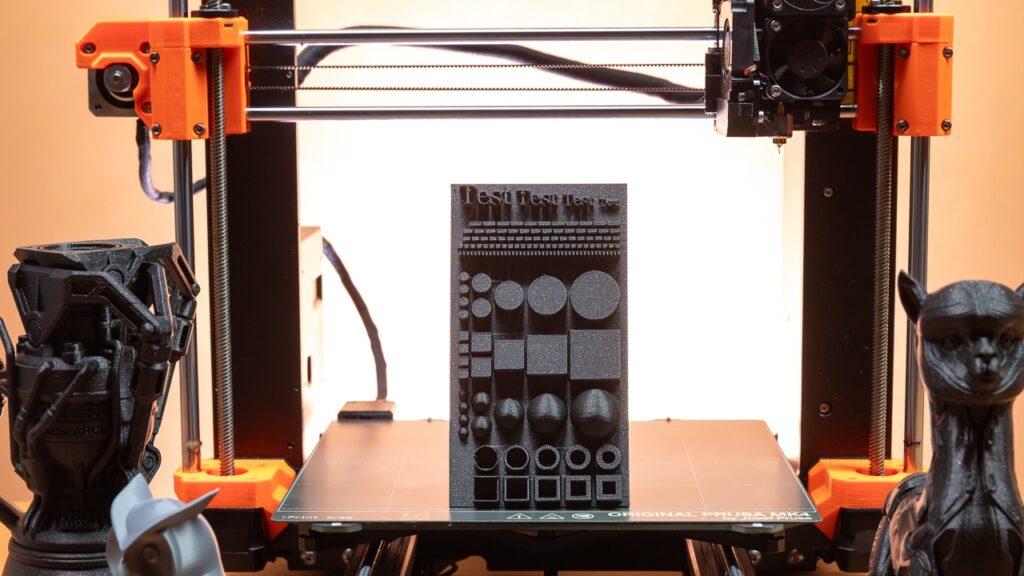
Getting into 3D printing is a bit like gaining a superpower for your home or workshop. It transitions you from a person who buys things to a person who makes things.

Here is why a 3D printer is becoming a must-have tool:

  1. The “Broken Part” Hero

We’ve all been there: a $100 appliance becomes useless because a tiny, specific plastic clip snapped. Instead of hunting for a replacement part that’s been out of production for a decade, you can simply design and print it. It turns “unfixable” trash back into functional tools.

  1. Extreme Customization

Off-the-shelf products are designed for the “average” person. With a 3D printer, you can create:

Ergonomic grips for your tools tailored to your hand size.

Custom organizers for that one oddly-shaped drawer.

Brackets and mounts for your specific tech setup (like Raspberry Pi cases or unique monitor stands).

Continue reading

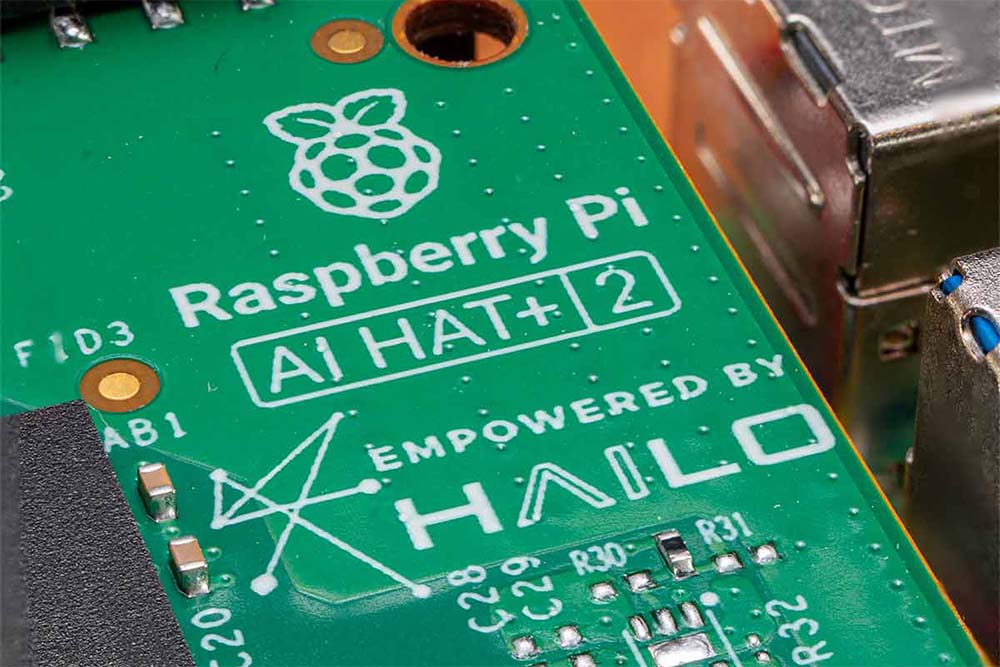
Hailo+2 AI hat from raspberry pi foundation

Revolutionizing Edge AI: An In-Depth Look at the Raspberry Pi 5 and the Hailo-8L AI Kit

The landscape of single-board computing (SBC) underwent a seismic shift with the release of the Raspberry Pi 5. While the jump in CPU and GPU performance was significant, the most transformative addition was the integrated PCIe 2.0 interface. This small connector opened the door to high-speed hardware expansion that was previously impossible. Chief among these expansions is the Raspberry Pi AI Kit, featuring the Hailo-8L M.2 AI accelerator. Often referred to in the community alongside various M.2 HATs (Hardware Attached on Top), this combination—frequently dubbed the “Hailo+HAT” setup—has effectively turned the Raspberry Pi into a professional-grade edge AI deployment tool.

The Genesis of the Hailo-Pi Partnership

For years, the Raspberry Pi was a platform for learning and light automation. When it came to Artificial Intelligence, specifically Computer Vision (CV), the Pi relied on its ARM-based CPU to crunch numbers. This resulted in “slideshow” frame rates; a Pi 4 might manage 2 or 3 frames per second (FPS) running a modern object detection model like YOLO (You Only Look Once).

External USB accelerators, like the Intel Movidius, offered a temporary fix but were often bottlenecked by USB latency and driver instability. The Raspberry Pi 5 changed the game by allowing a direct “brain-to-brain” connection via PCIe. By partnering with Hailo—an Israeli chipmaker specializing in Neural Processing Units (NPUs)—Raspberry Pi provided a native, high-bandwidth solution that makes AI processing as seamless as plugging in a keyboard.

Continue reading